

Do You Have Copper Pipes? Here’s How To Tell and What It Means
Key Takeaways
- Many older homes in the San Antonio area were built with copper plumbing, but newer homes typically use PEX or other materials.
- Copper pipes are durable but can corrode over time, especially when under concrete slabs or exposed to certain types of water.
- Corrosion and pinhole leaks in copper lines can cause costly slab leaks if undetected.
For decades, copper was considered the gold standard in residential plumbing. It’s strong, naturally resistant to bacteria, and capable of lasting for decades when properly installed and maintained. In older San Antonio homes, especially those built before the 1990s, copper was widely used because of its reliability and availability.
But building practices evolve, and so do materials. Over the past couple of decades, most builders and plumbers in the San Antonio area have transitioned away from copper, largely due to local soil and water conditions. Today, flexible materials like PEX (cross-linked polyethylene) are far more common in new construction.
Understanding what kind of pipes you have can help you anticipate maintenance needs and prevent potential problems before they morph into serious repairs.
Why Copper Pipes Were Popular, and Why They’ve Faded Out
Copper pipe, a staple in modern plumbing systems, is known for its durability, reliability, and versatility. It comes in different grades and forms, and has earned its reputation for being strong, long-lasting, and naturally antimicrobial, according to This Old House. While it doesn’t rust as quickly as steel pipes, it does have its limitations. After all, copper is metal, and metal can corrode.
In the San Antonio region, the soil and water play a big role in that. The city sits on solid limestone, which means homes are typically built on concrete slabs rather than basements. That also means plumbing lines often run through or under the slab.
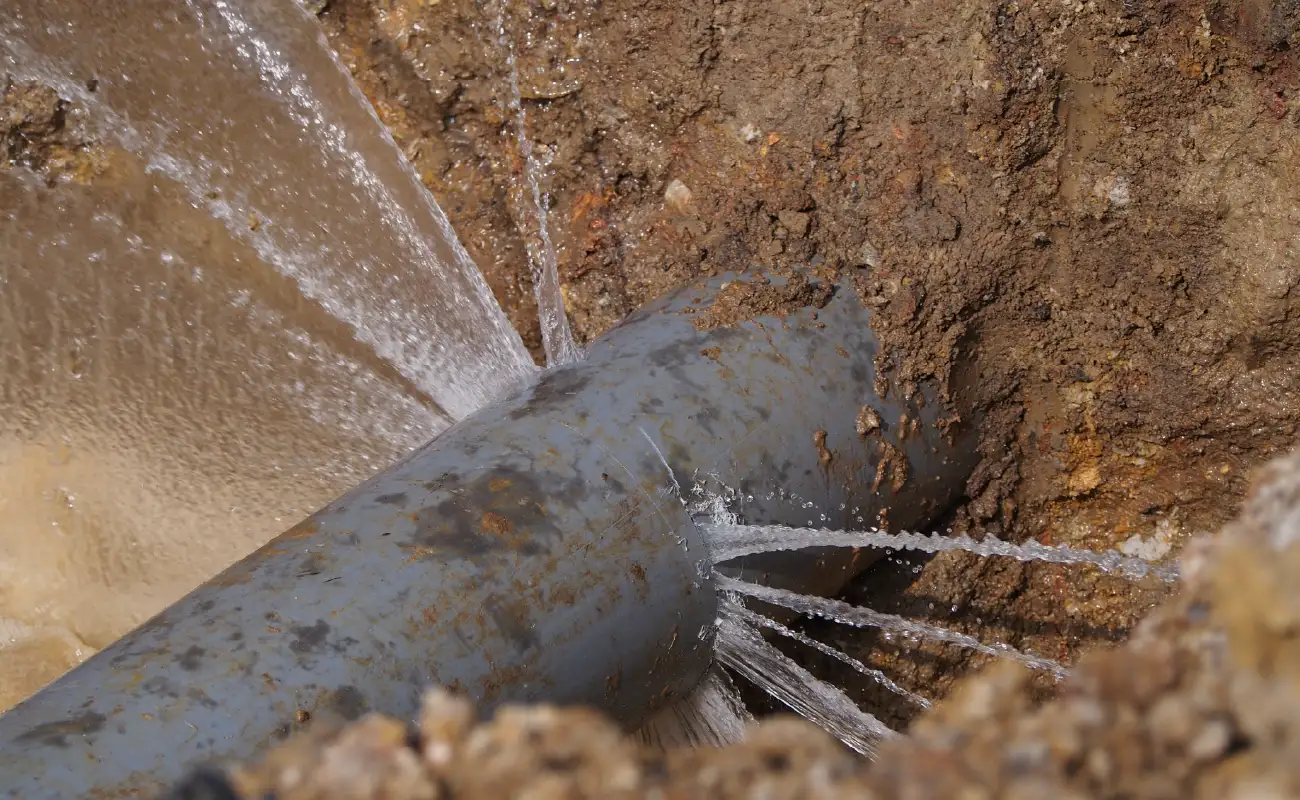
When copper is encased in concrete, it’s exposed to moisture, minerals, and shifts in temperature that can slowly wear it down. Add in naturally acidic or mineral-rich water, and corrosion becomes more likely. Over time, this can create tiny pinholes in the pipe, a leading cause of slab leaks, one of the most common plumbing problems in older Texas homes.
How to Tell If You Have Copper Pipes
If you’re not sure what kind of pipes are in your home, there are a few simple ways to check.
- Find an exposed section of pipe: Look under sinks, near your water heater, or around your outdoor spigot to check visible portions of your plumbing system.
- Observe the color: Copper has a shiny reddish-brown color when new, but darker and duller when older. You may also see areas of oxidation that appear as green or bluish spots.
- Try a magnet: If it sticks to your pipe, it’s made of steel or another metal, not copper.
- Check your home’s age and records: Most homes built before the mid-1990s in the San Antonio area may contain at least some copper piping. Homes built after that time probably have PEX or CPVC, which resist corrosion better in local conditions.
Knowing what type of pipe you have helps you understand your home’s maintenance needs, and can also help plumbers diagnose issues more efficiently.
What It Means If You Have Copper Pipes
If your home still has copper pipes, don’t worry: it’s not necessarily a problem right now. Many systems can last for decades. Just be aware of the factors that can impact their lifespan.
- Water that’s either too acidic or too basic can slowly eat away at copper from the inside. This internal corrosion often goes unnoticed until it causes leaks or water discoloration.
- Over time, small leaks can develop inside walls or under slabs. Because San Antonio homes are often built on concrete foundations, these leaks can go undetected unless you start noticing higher water bills, damp flooring, or a persistent sound of running water.
- Copper expands and contracts slightly with temperature changes. When pipes are buried in concrete, this movement can cause friction that wears away protective coatings, hastening corrosion.
- If a section of pipe under the slab starts leaking, repairs can be invasive and expensive, causing plumbers to have to reroute new pipes above the slab rather than digging through the foundation.
Your Care Guide for Existing Copper Pipes
If your home still has copper pipes, here’s how you can extend its life and reduce the risk of corrosion:
- Perform periodic testing to ensure balanced water chemistry.
- Watch for early signs of trouble, such as unexplained damp spots, higher water bills, or warm areas on flooring. These can be signs of leaks beneath the slab.
- Maintain consistent water pressure to prevent strain on joints and fittings.
- Schedule a professional plumbing inspection in San Antonio every few years, especially in older homes.
Copper pipes can last anywhere from 40 to 70 years depending on conditions. In San Antonio, where soil and water can be tough on metal, being proactive about monitoring your plumbing can make a big difference.