

Slab Leaks & Mold: The Hidden Dangers
Key Takeaways
- Slab leaks happen beneath your home’s foundation, quietly and gradually, with results that go beyond just wasted water.
- Persistent moisture from a slab leak can lead to mold and serious health and structural risks.
- Detecting slab leaks early can keep repair costs down while improving indoor air quality.
- Even small leaks, when ignored, can cause millions of dollars in damage over time when affecting the foundation or air quality.
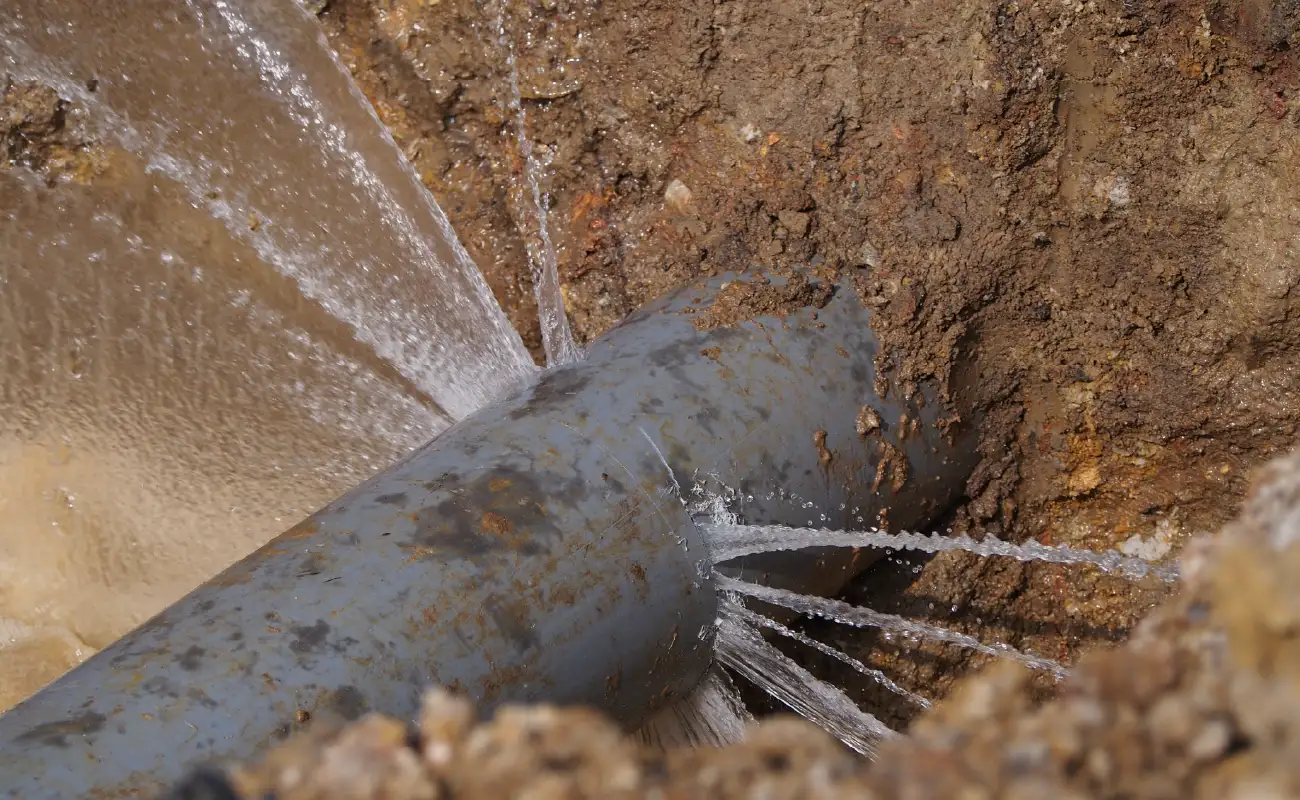
When a water line beneath a concrete foundation fails, a slab leak can occur. Whether due to age, corrosion, ground movement, or pipe abrasion, slab leaks are silent invaders. Many homeowners don’t even know they have one till the damage has been done.
Secondary problems may crop up, from damp floors to high water bills to thermal changes underfoot. You may not realize you have a leak until you’re faced with a burst pipe or dripping faucet. These leaks may not be visible, but they’re very real and can cause extensive damage if not addressed. Today we’ll explore the hidden dangers of slab leaks and mold growth, and how taking quick action by calling a plumber in Boerne, Texas, can save you money and headaches.
The Mold and Moisture Connection
Mold needs moisture to grow and thrive, and a slab leak is more than enough to fuel that fire. Mold can set in quickly, as well. In fact, within 24–48 hours, spores can begin to colonize damp spaces such as drywall, flooring, and insulation, according to the U.S. Environmental Protection Agency.
Mold thrives in damp, dark environments, making slab leaks the ideal breeding ground for silent growth beneath flooring and behind walls.
When mold grabs a hold of an ongoing water source, it can spread well beyond the original leak area, getting under carpets, in wall cavities, and within HVAC systems.
Mold: Unsightly and Unhealthy
While you may assume mold is more of a cosmetic issue, the real danger lies in its health consequences if not addressed early on. In fact, mold exposure (particularly black mold) has been linked to a variety of symptoms and conditions, including:
- Allergic reactions (i.e., sneezing, itchy eyes, skin irritation)
- Aggravated asthma and respiratory distress
- Chronic coughing and wheezing
- More severe infections in immunocompromised individuals
Cleaning up the original area of mold contamination doesn’t make it go away; the source of water must be removed and cleaned or else mold spores will just come back.
The Hidden Risks of Structural Damage
The danger from slab leaks goes beyond mold. It can affect the structural integrity of your foundation. As the leak worsens, it impacts the surrounding soil, concrete, and other structural elements by:
- Eroding or shifting the soil supporting your foundation
- Causing cracks in floors or walls
- Warping wood framing, flooring, and drywall
- Leading to uneven or sloping floors
- Permanently weakening structural supports
Top 5 Signs to Look Out For
Because slab leaks and mold growth are not evident on the surface, it’s important to be diligent in spotting subtle warning signs such as:
- Unexplained spikes in water bills
- Warm or damp spots on floors near bathrooms and kitchens
- Persistent musty or earthy odors
- Visible mold spots on baseboards, trim, or carpets
- Cracks in walls, floors, or ceilings
The presence of one or more of these signs should warrant a call to a trusted Boerne plumber to confirm a slab leak. Once identified, the leak can be corrected by a professional to prevent further damage.
Common Mold Mistakes Homeowners Make
Many homeowners grab the bleach or over-the-counter cleaners when they spot signs of mold. However, that only treats the surface mold, not the underlying issue. The most common mistakes homeowners make include:
- Treating visible mold without addressing the source of water
- Ignoring subtle odors
- Delaying professional moisture or leak detection
- Assuming that dry flooring means all is well.
The key is to treat the cause, and not just the symptoms. The only way to do that is to hire a professional plumber in Boerne, Texas, for effective, long-lasting solutions.
The Real Cost of a Slab Leak
The truth is, ignoring slab leaks and mold growth can impact your wallet over time.
- Repair costs escalate as damage spreads, resulting in the need for foundation work, mold abatement, and interior restoration services.
- Home resale value may take a hit if water damage or mold is not documented or visible.
- Healthcare bills can escalate as family members visit the doctor for allergies, asthma flare-ups, or other respiratory issues.
Awareness is your best defense against slab leaks and mold—two problems that often go hand in hand. That’s why it’s so important to understand the hidden nature of slab leaks and how to spot warning signs early so you can protect your home and family.