

Why Your Bathroom Sink Might Overflow in the Summer Heat
Key Takeaways
- Summer heat causes pipes to expand, which then increases pressure and the risk of leaks or overflow.
- Higher water usage in hot months can overload drains and fixtures, including bathroom sinks.
- Tree roots and shifting soil can block sewer lines, forcing water back up into sinks.
- Warm temperatures worsen clog buildup from soap, hair, and debris.
- Small issues, such as slow drains, gurgling, and odors, often signal bigger summer plumbing problems ahead.
When homeowners think of potential summer plumbing problems, they likely focus on outdoor faucets or irrigation systems—not the bathroom sink. But ask any experienced San Antonio plumber, and they’ll tell you that when that Texas heat hits, this is the most vulnerable fixture in your home.
While you may assume it’s a random issue, an overflowing bathroom sink in summer usually originates from heat-driven changes inside your plumbing system. Anything from pipe expansion to increased water usage can be to blame. Today we’ll talk about those factors and why they’re so common in hot climates like San Antonio and Boerne.
Heat & Pipe Expansion: The Hidden Pressure Problem
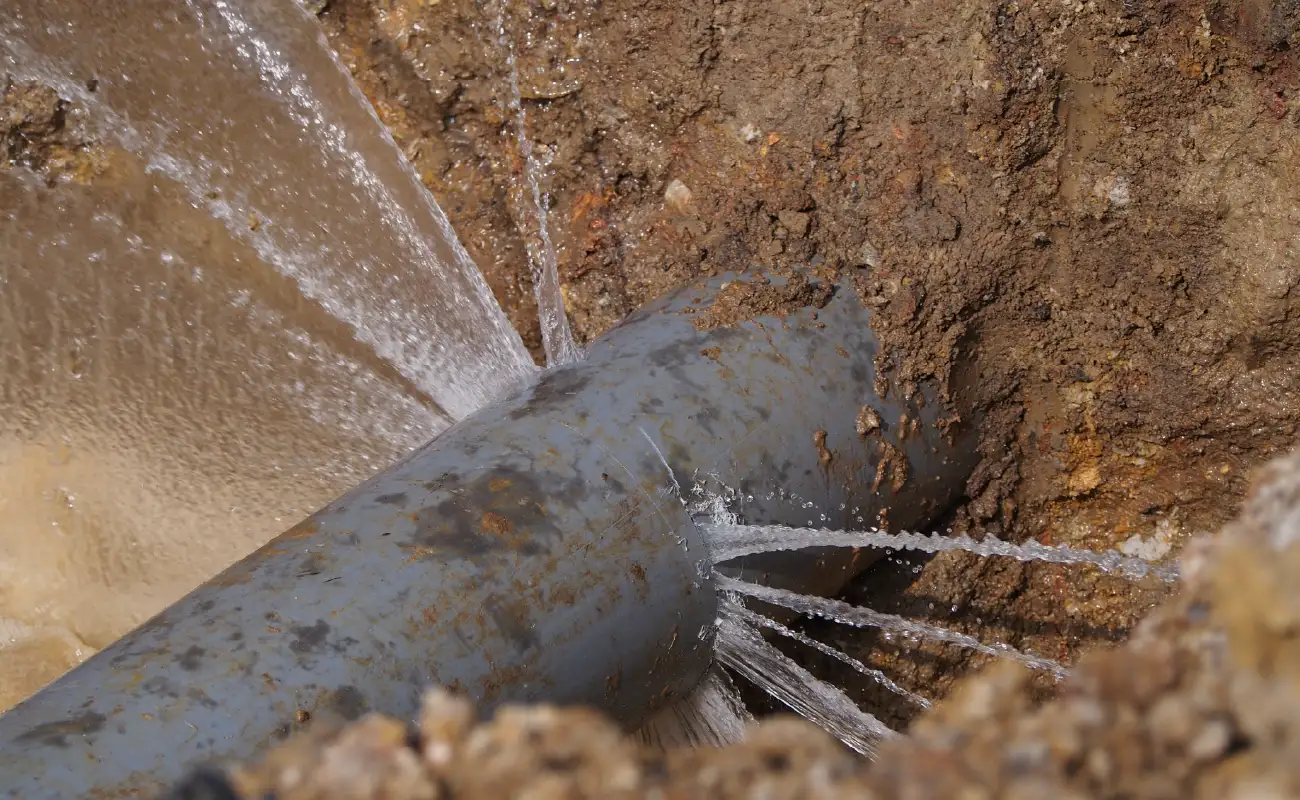
Thermal expansion is the biggest culprit when it comes to pressure problems. Unfortunately, you can’t see it. Plumbing materials—both the pipes and water within them—naturally expand with a rise in temperature. This increases the internal pressure, which can put stress on joints and weak points over time. In bathroom sinks, this manifests itself as:
- Slow drainage
- Backflow
- Sudden overflow when water is running
Repeated expansion and contraction can cause cracks in pipes or misaligned connections, especially in older plumbing systems.
Increased Water Usage & System Overload
The average household uses more water in the summer due to showers to cool off, visiting guests, and extra laundry and cleaning. In addition, more households use their irrigation systems to water their lawns, which also spikes usage, according to the EPA.
All of this extra water usage can stress pipes and fixtures, leading to:
- Overwhelmed drains
- Worsening clogs
- Backed-up water
Sometimes this stress causes bathroom sinks to suddenly overflow—even if there doesn’t seem to be a triggering event.
Increased demand can strain your plumbing system, exposing weaknesses.
Clogs Get Worse in Warm Weather
Clogs happen year-round, but they can be exacerbated in summer. Warm temperatures lead to a buildup inside your pipes from soap scum, toothpaste residue, hair, and oils. These substances tend to accumulate faster and become stickier in extreme heat. With more frequent sink use, more debris can enter the drain, leading to a vicious cycle.
On top of that, frequent outdoor activity can introduce materials such as dirt, sand, and hair into plumbing systems as well. Here’s a look at the effect of that overflow:
- Partial clogs slow drainage
- Increased water use adds volume
- Pressure builds behind the blockage
- Water rises back up, and into your sink
Sewer Line Issues & Backflow Risks
Not all overflows begin at the sink itself. Sometimes, they originate much further along—in the sewer line.
During summer:
- Tree roots grow aggressively toward moisture
- Dry soil shifts and cracks pipes
- Heavy rains saturate the ground
When these conditions cause blockages or damage in sewer lines, the wastewater has nowhere to go. That’s when water backs up into your home—often through the lowest fixtures, such as bathroom sinks.
Pressure Imbalances & Hot Water Effects
Hot water behaves differently in summer, contributing to pressure imbalances and reduced flow efficiency.
This often results in:
- Gurgling sounds in drains
- Water rising unexpectedly
- Intermittent overflow during use
If your sink overflows mainly when using hot water, pressure imbalance is a likely cause.
Why This Is Common in Boerne & San Antonio
Homes in Boerne and San Antonio face unique challenges that contribute to more frequent summer sink overflows:
1. Extreme Heat
Texas summers accelerate pipe expansion and wear due to the extreme heat.
2. Hard Water
Mineral-heavy water builds up faster inside pipes, worsening clogs over time.
3. Soil Movement
The region’s clay-rich soil expands and contracts with heat and drought, stressing out underground pipes.
4. Rapid Population Growth
Increased municipal demand can affect water pressure consistency across neighborhoods.
All of these factors combine to make summer a high-risk season for plumbing issues.
5 Warning Signs Your Sink Might Overflow
You don’t always get too much warning when your sink overflows. That’s why it’s so important to pay attention to these signs:
- Slow-draining sink
- Bubbling or gurgling noises
- Unpleasant drain odors
- Water rising when using other fixtures
- Sudden drops in water pressure
If you’re noticing more than one of these signs, it may be time to have your plumbing system evaluated before a full backup occurs.
Multiple backed-up drains or unusual noises indicate larger issues.
Addressing these problems early can prevent full overflows, more costly cleanups, and more extensive water damage.
How to Reduce the Risk
While you can’t prevent every backup from happening, there are some things you can do as a homeowner to reduce the likelihood.
- Don’t pour grease or heavy products down drains
- Use drain covers to catch hair and debris
- Run hot water after each use to keep pipes clear
- Monitor water pressure levels
- Schedule seasonal plumbing inspections in San Antonio
Proactive maintenance makes all the difference, especially in hot climates where systems are under constant stress.
FAQ: Summer Sink Overflow Issues
Q: Why does my bathroom sink overflow only in summer?
A: Because heat increases pipe expansion, water usage, and clog formation, the risk of overflow during warmer months is higher.
Q: Can heat alone cause a sink to overflow?
A: Not directly, but it can contribute to pressure buildup, pipe stress, and clogs. Together, these can lead to overflow.
Q: Is this a sign of a serious plumbing problem?
A: It can be. Occasional slow drainage may be minor, but repeated overflow often points to deeper issues like sewer line blockages or pipe damage.
Q: Why does my sink overflow when I run other sources of water?
A: This usually indicates a blockage in the main drain line, causing water to back up into nearby fixtures.
Q: Does hard water make the problem worse?
A: Yes. Mineral buildup from hard water can narrow pipes and accelerate clog formation, increasing overflow risk.
Summer Conditions: A Perfect Storm for Backups
A bathroom sink overflowing in the summer isn’t random—it’s a result of how heat affects your plumbing system. From heavier usage and expanding pipes to increased pressure and faster clog buildup, multiple factors converge during hot months to form sink backups. Diligent homeowners in San Antonio and Boerne can spot the warning signs early to prevent costly repairs and unnecessary stress during the hottest months of the year.